

Space Food: Fueling Astronauts for Exploration.
By Prashant Chavhan
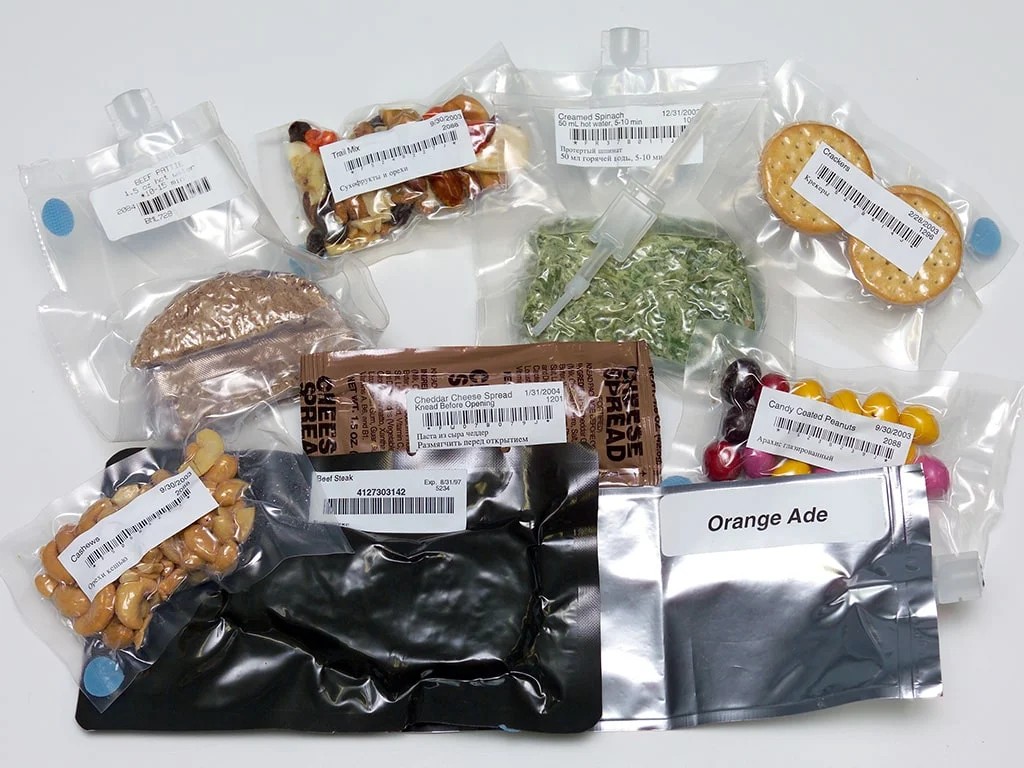
Space food is a critical component of space missions, as it provides the necessary nutrients and energy for astronauts to function effectively in space. From the early days of space exploration to modern-day missions, space food has evolved to meet the unique challenges of space travel and to support the health and well-being of astronauts. In this blog post, we will take a closer look at the history, development, and current state of space food.
The Early Days of Space Food
In the early days of space exploration, space food was simple and limited. The first astronauts on the Mercury and Gemini missions were provided with a variety of foods in bite-sized cubes or as a puree, which could be easily consumed without the need for utensils. These foods were often high in protein and carbohydrates and included items such as meat, cheese, and fruits.
As space missions became longer, the food options expanded to include more variety, such as canned fruits and vegetables, and foods that could be rehydrated, such as spaghetti and rice. However, the food was still limited by the need for it to be packaged in a way that would not create crumbs or debris, which could be dangerous in a zero gravity environment.
Development of Space Food Technology
As space exploration progressed, so did the technology used to create and package space food. In the 1970s, NASA began using a process called ”thermostabilization,” which involved heating the food to a high temperature to kill bacteria and then sealing it in a container to preserve it. This process allowed for a wider variety of foods to be included in space missions, such as chili and stew.
In the 1980s and 1990s, NASA developed a new type of packaging called ”Intermediate Moisture Foods,” which used a combination of sugar, salt, and vinegar to preserve the food and reduce the need for refrigeration. This technology allowed for the inclusion of fresh fruits and vegetables in space missions for the first time.
Current State of Space Food
Today, space food is more varied and sophisticated than ever before. NASA and other space agencies now have access to a wide range of foods, including fresh fruits and vegetables, which can be grown on board the International Space Station (ISS). The food is packaged in a way that allows for easy consumption in a zero gravity environment, and can be rehydrated or heated as needed.
The food for space missions is chosen to provide the necessary nutritional balance for astronauts, including the right amount of protein, carbohydrates, and fat. The food is also designed to be easy to digest and to not create crumbs, which can be dangerous in a zero-gravity environment.
Challenges of Space Food
Despite the advancements in space food technology, there are still challenges to providing nutritious and safe food for space missions. One of the biggest challenges is the limited storage space on spacecraft, which limits the amount of food that can be carried on a mission. Additionally, the high cost of launching food into space can make it difficult to provide a wide variety of foods for astronauts.
Another challenge is the effect of space travel on the human body, which can cause changes in appetite and nutrient absorption. This means that the food provided for space missions must be carefully formulated to meet the unique needs of astronauts in space.
Conclusion
In conclusion, space food is a critical component of space missions, providing the necessary nutrients and energy for astronauts to function effectively in space. From the early days of space exploration to modern-day missions, space food has evolved to meet the unique challenges of space travel and to support the health and well-being of astronauts. Despite the challenges, NASA and other space agencies
How India can be a slaughter-free nation in 10 years without banning meat
Related Reading
Explore more articles on FoodTechPro:
- FSSAI License India 2026: Complete Guide for Food Businesses
- FSSAI License Fees 2026: Complete Pricing Guide for All Categories
- FSSAI License Renewal 2026: Step-by-Step Guide & Checklist
- FSSAI Official Website – Food Safety and Standards Authority of India
- Food Safety and Standards Act, 2006 – FSS Act
- PubMed Central – National Library of Medicine
Space Food Nutrition Standards
Astronauts require approximately 2,700 to 3,700 calories per day depending on their body weight and mission activities — significantly higher than their terrestrial needs due to the energy demands of microgravity. According to NASA, each astronaut on the ISS consumes about 1.8 kg (4 lbs) of food per day, including 0.45 kg of packaging. The average mission duration on the ISS is 6 months, requiring approximately 330 kg of food per astronaut per mission.
The European Space Agency (ESA) reports that menu cycles repeat every 7-10 days on the ISS to provide variety while managing logistics. More than 200 different food and drink items are currently available on the space station menu.
References
Space Food Nutrition Standards
Astronauts require approximately 2,700 to 3,700 calories per day depending on their body weight and mission activities — significantly higher than their terrestrial needs due to the energy demands of microgravity. According to NASA, each astronaut on the ISS consumes about 1.8 kg (4 lbs) of food per day, including 0.45 kg of packaging. The average mission duration on the ISS is 6 months, requiring approximately 330 kg of food per astronaut per mission.
The European Space Agency (ESA) reports that menu cycles repeat every 7-10 days on the ISS to provide variety while managing logistics. More than 200 different food and drink items are currently available on the space station menu.