/* ============================================================
FoodTechPro — Comprehensive Responsive CSS
============================================================ */
/* === 1. BASE RESET & BOX-SIZING === */
*, *::before, *::after { box-sizing: border-box; }
img { max-width: 100%; height: auto; display: block; }
/* === 2. TYPOGRAPHY — Responsive Scaling === */
html { font-size: 16px; }
body {
font-size: clamp(16px, 1.8vw, 18px);
line-height: 1.75;
-webkit-text-size-adjust: 100%;
word-wrap: break-word;
overflow-wrap: break-word;
}
h1 { font-size: clamp(1.5rem, 4vw, 2.2rem); line-height: 1.3; }
h2 { font-size: clamp(1.3rem, 3.5vw, 1.8rem); line-height: 1.35; }
h3 { font-size: clamp(1.15rem, 3vw, 1.5rem); line-height: 1.4; }
h4 { font-size: clamp(1.05rem, 2.5vw, 1.25rem); line-height: 1.45; }
p, li, td, th { font-size: clamp(15px, 1.6vw, 17px); }
/* === 3. CONTAINER — Max Widths === */
.container, .site-content, .content-area, main,
.wrapper, .inner, .entry-content, .post-content,
article, .main-content {
max-width: 1200px !important;
margin-left: auto !important;
margin-right: auto !important;
padding-left: 15px !important;
padding-right: 15px !important;
}
/* Paragraph & text blocks width limit */
.entry-content p, .post-content p,
.entry-content ul, .entry-content ol,
.post-content ul, .post-content ol {
max-width: 850px;
}
/* === 4. TABLES — Scrollable on Mobile === */
table {
width: 100% !important;
max-width: 100% !important;
border-collapse: collapse;
display: block;
overflow-x: auto;
-webkit-overflow-scrolling: touch;
}
.wp-block-table, figure.wp-block-table {
overflow-x: auto;
display: block;
max-width: 100%;
}
.wp-block-table table, figure.wp-block-table table {
min-width: 100%;
}
td, th {
padding: 8px 10px;
font-size: clamp(13px, 1.5vw, 16px);
word-break: break-word;
}
/* === 5. IMAGES === */
.entry-content img, .post-content img,
.wp-block-image img, figure img {
max-width: 100% !important;
height: auto !important;
display: block;
}
figure {
max-width: 100% !important;
margin-left: auto !important;
margin-right: auto !important;
}
/* === 6. BUTTONS — Touch-friendly === */
button, .button, .btn, a.button, input[type=”submit”],
.wp-block-button__link {
min-height: 44px;
min-width: 44px;
padding: 10px 24px;
font-size: clamp(14px, 1.5vw, 16px);
line-height: 1.4;
cursor: pointer;
touch-action: manipulation;
}
/* === 7. NAVIGATION — Mobile Hamburger === */
/* Hide desktop nav on mobile, show hamburger */
@media (max-width: 768px) {
/* Force hamburger behavior */
.main-navigation, .primary-menu, .nav-menu,
nav.main-nav, .site-nav, #site-navigation,
header nav, .header-nav {
display: none;
}
/* Show hamburger toggle */
.menu-toggle, .hamburger, .mobile-menu-toggle,
#menu-toggle, .nav-toggle {
display: block !important;
}
/* Mobile menu when open */
.main-navigation.toggled, .nav-menu.toggled,
.menu-open .main-navigation, .menu-open nav {
display: block !important;
position: absolute;
top: 100%;
left: 0;
right: 0;
background: #fff;
z-index: 9999;
box-shadow: 0 4px 12px rgba(0,0,0,0.15);
}
.main-navigation.toggled li, .nav-menu.toggled li {
display: block !important;
width: 100%;
}
.main-navigation.toggled a, .nav-menu.toggled a {
display: block;
padding: 12px 20px;
border-bottom: 1px solid #eee;
font-size: 16px;
}
/* Container full width */
.container, .site-content, .content-area, main {
padding-left: 12px !important;
padding-right: 12px !important;
}
/* Sidebar below content */
.sidebar, .widget-area, aside {
width: 100% !important;
float: none !important;
clear: both;
margin-top: 30px;
}
/* Content area full width */
.content-area, .entry-content, .post-content {
width: 100% !important;
float: none !important;
}
/* Prevent horizontal scroll */
body, html {
overflow-x: hidden;
max-width: 100vw;
}
}
/* === 8. TABLET (768px – 1024px) === */
@media (min-width: 769px) and (max-width: 1024px) {
.container, .site-content, .content-area, main {
padding-left: 20px !important;
padding-right: 20px !important;
}
.content-area, .entry-content {
width: 70% !important;
float: left !important;
}
.sidebar, .widget-area, aside {
width: 28% !important;
float: right !important;
}
body { font-size: 17px; }
}
/* === 9. LAPTOP (1025px – 1366px) === */
@media (min-width: 1025px) and (max-width: 1366px) {
.content-area, .entry-content {
max-width: 780px;
margin: 0 auto;
}
.sidebar, .widget-area, aside {
width: 25%;
}
body { font-size: 17px; }
}
/* === 10. DESKTOP (1367px+) === */
@media (min-width: 1367px) {
.container, .site-content {
max-width: 1200px !important;
}
.content-area, .entry-content {
max-width: 820px;
margin: 0 auto;
}
body { font-size: 18px; line-height: 1.85; }
}
/* === 11. EMBEDS & IFRAMES === */
iframe, embed, object, video {
max-width: 100% !important;
height: auto;
aspect-ratio: 16/9;
}
/* === 12. PRE / CODE BLOCKS === */
pre, code {
overflow-x: auto;
white-space: pre-wrap;
word-wrap: break-word;
max-width: 100%;
font-size: clamp(12px, 1.3vw, 14px);
}
/* === 13. FORMS === */
input, textarea, select {
max-width: 100%;
font-size: 16px !important; /* prevents iOS zoom */
padding: 10px;
}
textarea { width: 100%; }
/* === 14. UTILITY === */
.hide-mobile { display: none; }
.hide-desktop { display: block; }
@media (min-width: 769px) {
.hide-mobile { display: block; }
.hide-desktop { display: none; }
}
/* === 15. PRINT === */
@media print {
body { font-size: 12pt; line-height: 1.5; }
nav, .sidebar, .widget-area, footer, .comments { display: none; }
.content-area, .entry-content { width: 100% !important; float: none !important; }
img { max-width: 100% !important; page-break-inside: avoid; }
a[href]::after { content: ” (” attr(href) “)”; font-size: 10pt; }
}
Cost-Effective Methods for Fortified Flour Production
By FoodTechPro Editorial Team
Introduction
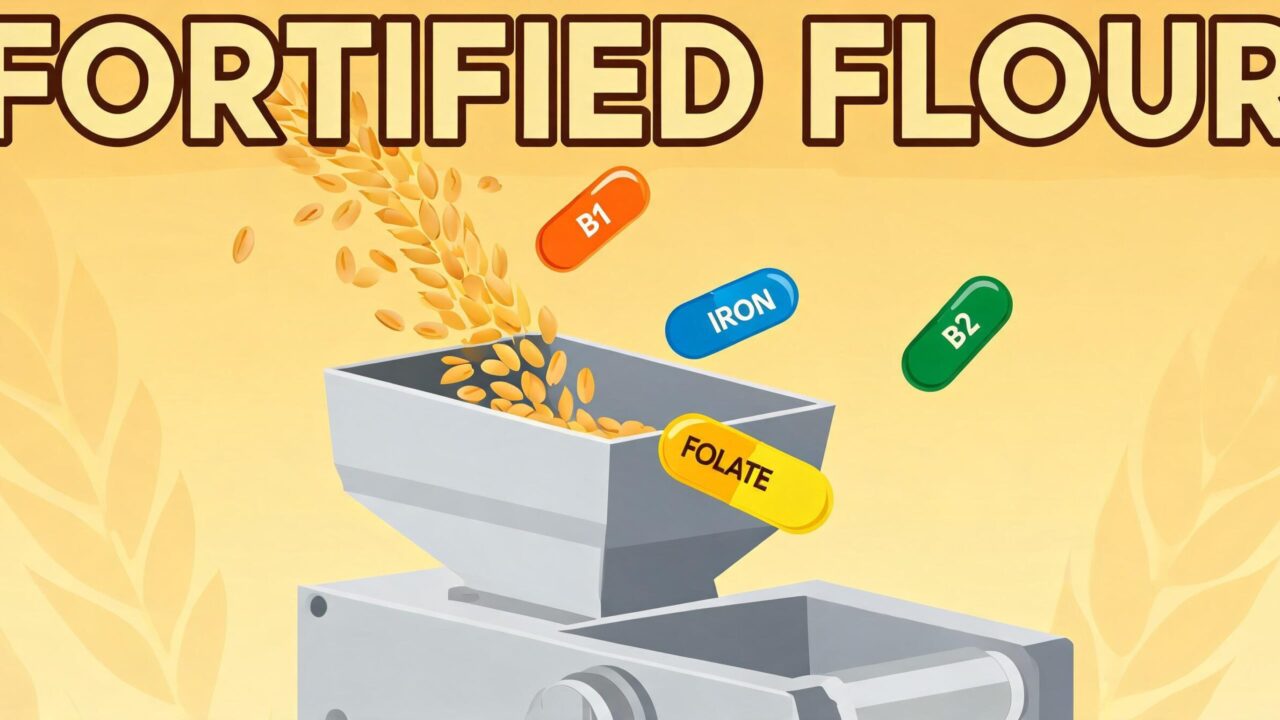
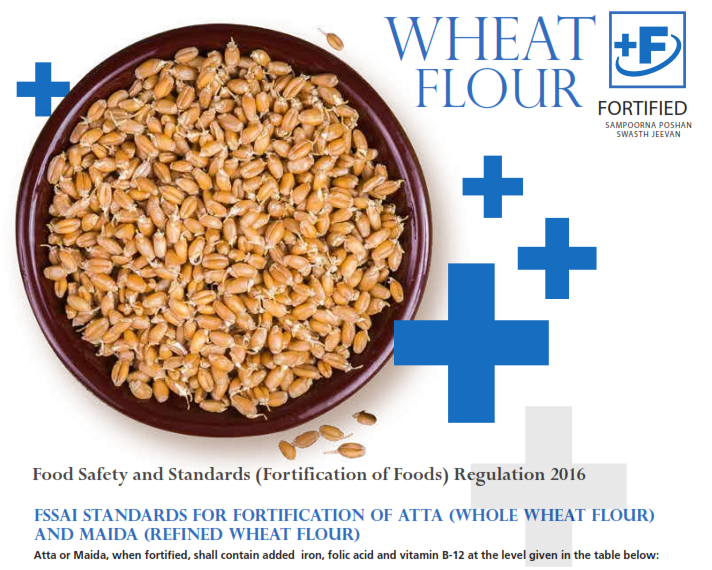
Fortified flour is a crucial food product that addresses nutritional deficiencies, particularly in regions where access to diverse diets is limited. It is fortified with essential vitamins and minerals, such as iron, folic acid, and vitamins A, B, and D, to improve public health and combat malnutrition. However, the process of fortifying flour can be expensive, making it challenging for small-scale mills and regions with limited resources to adopt this practice. In this blog, we will explore cost-effective methods for producing fortified flour without compromising its nutritional value or quality.
Partnering with NGOs and Government Initiatives
Collaborating with non-governmental organizations (NGOs) and government initiatives that focus on nutrition and public health can be an effective way to reduce the cost of fortified flour production. These organizations often have access to funding and resources to support such initiatives, which can help subsidize the fortification process for local flour mills.
-
Bulk Purchase of Fortificants
Purchasing fortificants in bulk quantities can significantly reduce the cost per unit. Flour mills can negotiate with suppliers or join consortiums to take advantage of economies of scale. By pooling resources with other mills in the region, the cost burden can be distributed, making fortification more financially feasible.
-
Local Sourcing of Fortificants
Importing fortificants can contribute to increased costs due to transportation, tariffs, and handling charges. Exploring local sources for fortificants or utilizing locally available food sources that contain the required micronutrients can help in cost reduction.
-
Efficient Blending Techniques
Developing efficient blending techniques is essential for cost-effective fortified flour production. Properly blending the fortificants with the flour is crucial to ensure even distribution throughout the product. Investing in modern blending equipment and optimizing the blending process can lead to cost savings and improved fortification consistency.
-
Monitoring and Quality Control
Implementing rigorous monitoring and quality control measures can prevent wastage of fortificants and ensure that the final product meets the required nutritional standards. This practice reduces the risk of over- or under-fortification, which can be costly and potentially harmful. Proper testing and quality assurance will optimize fortification costs.
-
Educating and Raising Awareness
Educating mill owners and workers about the importance of fortified flour and the cost-effective methods of production can foster long-term commitment to the process. Increased awareness can lead to voluntary adoption of fortification practices and even the establishment of local support networks for fortification initiatives.
-
Government Incentives and Policies
Encouraging governments to provide incentives and create policies that promote fortified flour production can be a game-changer. Tax breaks, grants, or subsidies for mills that embrace fortification can offset the initial costs and incentivize wider adoption of fortified flour in the market.
Conclusion
Fortified flour plays a pivotal role in enhancing public health by providing essential nutrients to combat malnutrition. While the process of fortification can be expensive, implementing cost-effective methods can make it more accessible, especially for small-scale mills and regions with limited resources. By collaborating with relevant organizations, optimizing production techniques, and raising awareness, fortified flour can be made affordable without compromising its nutritional value, leading to a healthier and more nourished population.
https://www.youtube.com/watch?v=LZjx8sL2yOw&ab_channel=WhatsUpDude
Editorial Note: This article was originally published on FoodTechPro and has been updated for accuracy. The information provided is for educational and informational purposes only. Always refer to the latest FSSAI regulations, ISO standards, and official government publications for current compliance and safety requirements. FoodTechPro does not provide legal or professional advice. Consult a qualified professional for guidance specific to your business.
— Prashant Chavhan, Founder & Editor, FoodTechPro.co.in
Frequently Asked Questions
What is fortified flour?
Fortified flour is wheat flour enriched with essential micronutrients like iron, folic acid, vitamin B12, and zinc to address nutritional deficiencies in the population.
Is fortified flour mandatory in India?
Yes, the Indian government has mandated wheat flour fortification under the Food Safety and Standards (Fortification of Foods) Regulations to combat micronutrient malnutrition.
What is the full form of FSSAI?
FSSAI stands for Food Safety and Standards Authority of India. It is the apex food regulatory body under the Ministry of Health and Family Welfare.
What is HACCP?
HACCP stands for Hazard Analysis and Critical Control Point. It is a systematic preventive approach that identifies, evaluates, and controls food safety hazards.
What is ISO 22000?
ISO 22000 is an international standard for food safety management systems that specifies requirements for any organization in the food chain to ensure food safety.
Related Reading
Explore more articles on FoodTechPro:
- FSSAI License India 2026: Complete Guide for Food Businesses
- FSSAI License Fees 2026: Complete Pricing Guide for All Categories
- FSSAI License Renewal 2026: Step-by-Step Guide & Checklist
FAQ
What is cost?
Cost-Effective Methods for Fortified Flour Production refers to the process/technique/concept discussed in this article. It plays an important role in the food processing industry.
Why is cost safety important in food processing?
Cost-Effective Methods for Fortified Flour Production (safety) is crucial in food processing because it directly impacts product quality, efficiency, and safety standards in the industry.
What are the main benefits of cost production?
The key benefits include improved operational efficiency, better product quality, cost savings, and enhanced food safety compliance.
How does Cost-Effective Methods for Fortified Flour Production work?
Cost-Effective Methods for Fortified Flour Production works by applying established principles of food processing technology. The specific mechanism depends on the application and equipment used.
What equipment is needed for cost standard?
The equipment required depends on the scale of operation. Common setups include industrial-grade machinery designed for consistent performance and food safety compliance.
What are common challenges with cost regulation?
Common challenges include maintaining consistent quality, managing operational costs, ensuring regulatory compliance, and training staff properly.
How to choose the right cost product solution?
Choosing the right solution depends on your production volume, budget, quality requirements, and regulatory standards. Consulting with industry experts is recommended.