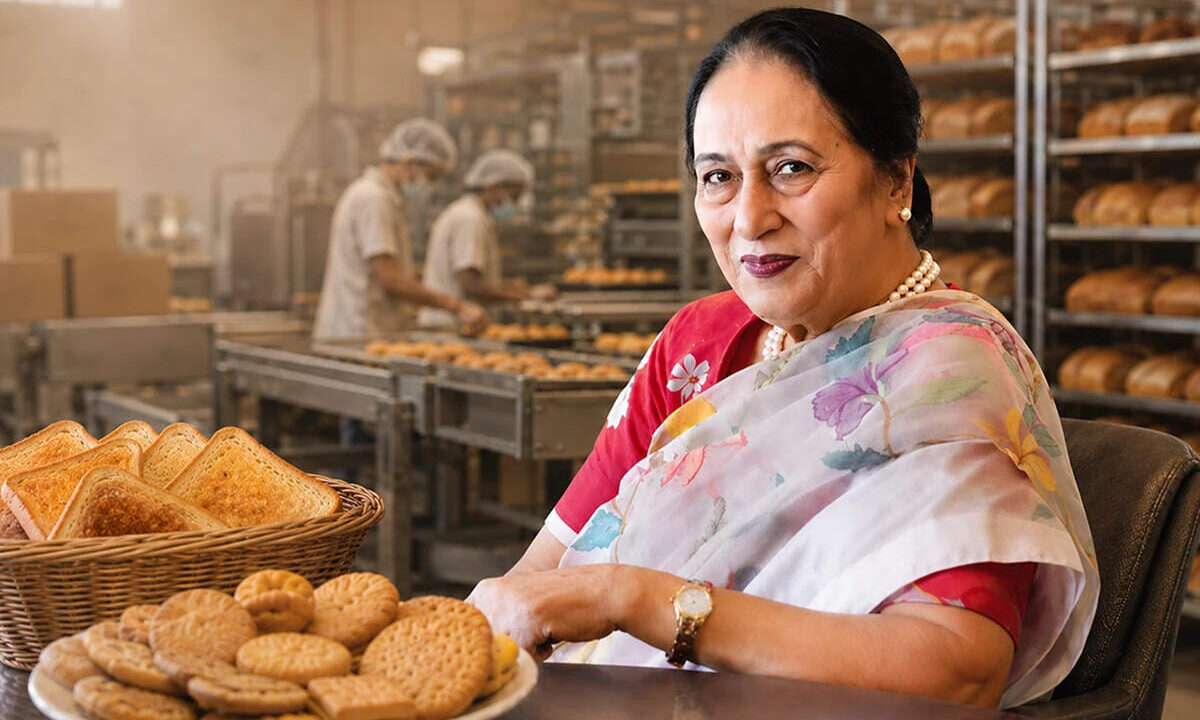
The ₹7,500 Crore Opportunity
India’s bakery market is no longer a sleepy industry dominated by a handful of biscuit and bread giants. In 2026, the organized bakery market alone has crossed ₹7,500 crore, growing at a compound annual growth rate of 12%. Add the unorganized sector — roadside bakeries, home bakers, dabbawala-adjacent dessert suppliers — and the real market size exceeds ₹15,000 crore.
A few data points that matter:
– Per capita bread consumption in India: 4.2 kg/year — compared to 25–30 kg in developed markets, which means the growth runway is enormous.
– Urban India’s bakery spend: Tier 1 cities spend ₹2,800–₹4,500 per household annually on bakery products; Tier 2 cities are catching up at ₹1,200–₹1,800.
– Young India: 65% of India’s population is under 35, and they snack. Cakes, pastries, croissants, and cookies are no longer occasional treats — they’re weekly indulgences.
– EGD (Eggless, Gluten-free, Diabetic-friendly) demand has tripled since 2022.
If you have been searching for ”how to start bakery business India”, you have landed at the right place. This 2026 guide covers everything from licence costs to profit margins, equipment lists to pricing formulas, and includes a full worked case study.
> 📥 Download the Bakery Business Startup Checklist (Free PDF) – Get the complete equipment list, licence documents, and 90-day launch timeline. [Click here to download](#).
Why a Bakery Business in India?
Market Size & Growth
The Indian bakery industry has undergone a structural shift. What was once a fragmented, low-margin business is now attracting organized capital and young entrepreneurs. The key drivers:
| Driver | Impact |
|---|---|
| ——– | ——– |
| Urbanization | 34% of India now lives in cities; projected 40% by 2031 |
| Rising disposable income | Average monthly household income in top 50 cities: ₹72,000+ |
| Western food habits | Breakfast cereals, artisan breads, cheesecakes — formerly niche, now mainstream |
| Occasion-based consumption | Birthdays, anniversaries, celebrations — every event demands a cake |
| Premiumization | Consumers are willing to pay 2x–3x for “artisanal” or “fresh” bakery |
Consumption Trends (2026)
– Eggless: 70% of North Indian bakery demand is eggless. The premium for eggless cakes is 25–40%.
– Artisan & sourdough: ₹350–₹600 per loaf in metros. Small-batch, high-margin.
– Sugar-free & keto: The diabetic-friendly bakery segment grew 40% YoY. Brands like “Bakerman” and “The Whole Truth” have proven this market.
– Mil-based (millets): State FSSAI initiatives in Karnataka, Odisha, and Telangana are subsidizing millet-based bakery R&D.
Types of Bakery Businesses
Not all bakeries are the same. Your choice determines your investment, licences, team size, and profit potential. Here is how the four main models stack up:
| Parameter | 🏠 Home Bakery | 🏪 Retail Bakery | 🏭 Wholesale Bakery | ☁️ Cloud Kitchen Bakery |
|---|---|---|---|---|
| ———– | ————— | —————– | ——————- | ———————— |
| Startup Cost | ₹50,000–₹1.5L | ₹5L–₹15L | ₹15L–₹50L | ₹2L–₹6L |
| Staff Required | 0–1 helper | 3–8 people | 10–25 people | 2–5 people |
| Gross Margin | 55–70% | 50–60% | 25–35% | 50–65% |
| Monthly Revenue Potential | ₹30K–₹1.5L | ₹1.5L–₹8L | ₹5L–₹30L | ₹1L–₹5L |
| Licences Needed | FSSAI Basic + Trade Licence | FSSAI State + GST + Fire NOC | FSSAI State + GST + Factory Licence + Pollution | FSSAI Basic/State + GST |
| Best For | Side income, testing market | Brand building, retail experience | B2B contracts, scale | Delivery-only, low rental costs |
| Delivery Model | Social media + WhatsApp | Walk-in + delivery | B2B distribution | Zomato/Swiggy/own app |
Which One Should You Choose?
– New to business, low capital? Start as a home bakery. Validate your product. Build a social media following.
– Have ₹5L+ and want a local brand? Retail bakery in a high-footfall area.
– Want scale and B2B contracts? Wholesale bakery supplying hotels, cafes, and corporates.
– Don’t want walk-in customers? Cloud kitchen bakery — lower rent, higher delivery commissions (18–25%).
Step 1: Market Research & Niche Selection
Demand by Product Category
| Category | Market Share | Growth Rate | Avg. Price Point | Competition Level |
|---|---|---|---|---|
| ———- | ————- | ————- | ——————- | ——————- |
| Bread (sandwich, brown, multigrain) | 42% | 8% | ₹30–₹80 | High — dominated by Britannia, Modern |
| Cakes (celebration, cupcakes) | 28% | 15% | ₹400–₹2,500 | Medium-High — mostly local brands |
| Cookies & biscuits | 15% | 10% | ₹50–₹300 | High — national + imported brands |
| Pastries & puffs | 8% | 18% | ₹40–₹250 | Medium — local bakeries dominate |
| Artisan/sourdough | 3% | 25% | ₹250–₹600 | Low — premium play |
Pro tip: Don’t try to do everything. Pick two categories and dominate them. “Cakes + Cookies” is the most common profitable combo.
Seasonal Demand Mapping
| Season | Best-Selling Products | Demand Surge |
|---|---|---|
| ——– | ———————- | ————- |
| January–February | Wedding cakes, dry cakes, cookies | +30% |
| March–April | Eggless cakes for exams/fast season | +15% |
| May–June | Summer cool treats, ice-cream cakes | +10% |
| July–September | Festival specials (Rakhi, Ganesh Chaturthi, Onam) | +50–80% |
| October–December | Diwali, Christmas, New Year — peak season | +100–150% |
| Valentine’s Week | Heart-shaped cakes, cupcakes, gift boxes | +60% |
City-Wise Demand Patterns
– Delhi NCR: Largest market. Eggless is dominant. Premiumization works. Rent is high — consider cloud kitchen.
– Mumbai: Premium cakes, artisan breads. High willingness to pay. Real estate is the biggest constraint.
– Bangalore: Most experimental consumers. Gluten-free, keto, millet-based — all work. Corporate orders are massive.
– Pune, Hyderabad, Chennai, Ahmedabad: Growing fast. Lower rent. Less competition from national chains.
– Tier 2 cities (Lucknow, Indore, Surat, Coimbatore): Low competition. High margins. Strong word-of-mouth.
Step 2: Business Plan & Financial Projections
If you skip the business plan, you are baking blind. At minimum, your plan must cover:
Essential Sections
1. Executive Summary — One-page snapshot of your bakery (concept, USP, investment, revenue target).
2. Company Description — Legal structure (sole proprietor, OPC, partnership, or Pvt. Ltd.).
3. Market Analysis — Competitor pricing, demand data (use section above), your positioning.
4. Products & Pricing — Menu with cost breakdown (see Pricing Strategy section).
5. Marketing Plan — How you will acquire customers (Zomato, Instagram, corporate outreach).
6. Operations Plan — Kitchen process flow, sourcing, staffing shifts.
7. Financial Plan — Projected P&L for 12 months, cash flow statement, breakeven analysis.
Sample Financial Projection (Retail Bakery — Year 1)
| Month | Revenue | COGS (35%) | Staff Cost | Rent + Utilities | Marketing | Net Profit/(Loss) |
|---|---|---|---|---|---|---|
| ——- | ——— | ———– | ———– | —————– | ———- | —————— |
| 1 | ₹80,000 | ₹28,000 | ₹25,000 | ₹18,000 | ₹10,000 | (₹1,000) |
| 3 | ₹1,20,000 | ₹42,000 | ₹30,000 | ₹18,000 | ₹12,000 | ₹18,000 |
| 6 | ₹1,80,000 | ₹63,000 | ₹35,000 | ₹20,000 | ₹15,000 | ₹47,000 |
| 9 | ₹2,40,000 | ₹84,000 | ₹40,000 | ₹20,000 | ₹18,000 | ₹78,000 |
Assumptions: 300 sq ft retail bakery, Tier 2 city, 2–3 staff, 5-day BEP.
Step 3: Licenses & Registration
This is the most commonly overlooked step. Many home bakers start without licences and face closure orders or hefty fines. Under the Food Safety and Standards Act, 2006 and its 2020 amendments, any bakery producing food for sale must have FSSAI registration.
Licence Requirements by Business Type
| Licence | Required For | Cost | Validity | Where to Apply |
|---|---|---|---|---|
| ——— | ————- | —— | ———- | ————— |
| FSSAI Basic Registration | Home bakeries, small retail (turnover up to ₹12L/year) | ₹0–₹100 | 1–5 years | foodlicensing.fssai.gov.in |
| FSSAI State Licence | Medium bakeries (₹12L–₹20Cr turnover) | ₹2,000–₹5,000 | 1–5 years | State FSSAI office |
| FSSAI Central Licence | Large bakeries (₹20Cr+ turnover, cross-state supply) | ₹7,500 | 1–5 years | FSSAI HQ |
| GST Registration | All bakeries with turnover >₹40L (or voluntary) | Free | Permanent | gst.gov.in |
| MSME/Udyam Registration | All micro, small, medium bakeries | Free | Permanent | udyam.gov.in |
| Health Trade Licence | All bakeries with physical premises | ₹500–₹3,000 | 1 year | Municipal Corporation |
| Fire NOC | Commercial bakeries >100 sq m | ₹2,000–₹10,000 | 1–3 years | State Fire Department |
| Pollution Control Board Consent | Wholesale/industrial bakeries | ₹5,000–₹25,000 | 1–3 years | State PCB |
| Factory Licence | Bakeries with >10 workers and power | Variable | 1 year | State Factory Inspectorate |
> 🔗 Detailed guide: See our complete [FSSAI Licence Guide 2026 for Food Businesses](/fssai-license-2026/) for step-by-step application help.
> 📥 Get our Bakery Business Startup Checklist (Free PDF) — includes a ready-to-use licence document checklist. [Download now](#).
FSSAI Compliance for Bakeries (Quick Points)
– FSSAI label: Every packaged product must display the FSSAI logo and licence number.
– Schedule 4 compliance (for commercial bakeries): Mandatory requirements for premises, equipment, ventilation, drainage, and pest control.
– FSSAI registration renewal: Apply 30 days before expiry. Late fee is ₹100/day.
Step 4: Location & Layout
Retail vs Production-Only Space
| Factor | Retail Bakery | Production-Only (Cloud Kitchen) |
|---|---|---|
| ——– | ————– | ——————————- |
| Area required | 250–500 sq ft | 200–400 sq ft |
| Rent (Tier 2) | ₹15K–₹35K/month | ₹8K–₹18K/month |
| Footfall requirement | High — main road or market | Not required |
| Renovation cost | ₹2L–₹5L (interior + display) | ₹50K–₹1.5L |
FSSAI Schedule 4 Compliance — Key Points for Bakery Layout
Under FSSAI Schedule 4, your bakery premises must meet these requirements:
1. Floors: Non-absorbent, washable, tiled or epoxy. No cracks.
2. Walls: Smooth, washable tiles up to 6 ft height.
3. Ventilation: Adequate exhaust — at least 10 air changes/hour.
4. Lighting: Minimum 200 lux at working levels.
5. Drainage: Floor slope of 1:40 toward drains with grease traps.
6. Separate sections: Raw material storage → preparation → baking → cooling → packaging. Cross-contamination prevention is mandatory.
7. Pest control: Fly screens on windows, insectocutors, bait stations.
8. Wash area: Two-compartment sink for utensils, separate handwash sink.
Recommended Equipment Layout (300 sq ft Bakery)
“`
┌─────────────────────────────────────────────┐
│ [Storage Racks] [Fridge] [Freezer] │
│ [Work Table] [Mixer] [Proofer] │
│ [Dough Sheeter] [Oven] [Cooling Rack] │
│ [Packaging] [Display Counter] │
│ [POS] [Cash Counter] │
│ [Door] │
└─────────────────────────────────────────────┘
“`
Step 5: Bakery Equipment & Cost
Here is a realistic equipment cost table for a small commercial bakery (India, 2026 prices):
| Equipment | Purpose | Brand Options | New Price | Refurbished Price |
|---|---|---|---|---|
| ———– | ——— | ————– | ———– | —————— |
| Planetary Mixer (20L) | Dough & batter mixing | Hobart, Ugam, Nova | ₹40K–₹80K | ₹18K–₹35K |
| Planetary Mixer (10L) | Small batches, icing | Ugam, Samarth | ₹15K–₹30K | ₹8K–₹12K |
| Electric Deck Oven (4 trays) | Breads, cookies, cakes | Scintilla, Laxmi, Eurobake | ₹60K–₹1.2L | ₹25K–₹50K |
| Rotary Rack Oven (8–12 trays) | High-volume baking | Scintilla, Termo, Daylight | ₹2.5L–₹4.5L | ₹1L–₹2.5L |
| Dough Proofer (24 trays) | Fermentation control | Scintilla, Laxmi | ₹35K–₹60K | ₹15K–₹25K |
| Dough Sheeter | Pastry & puff sheets | Scintilla, Nova | ₹50K–₹1L | ₹20K–₹40K |
| Refrigerator (400L+) | Ingredient storage | Godrej, LG, Voltas | ₹25K–₹50K | ₹10K–₹20K |
| Deep Freezer | Frozen storage | Haier, Whirlpool | ₹20K–₹40K | ₹8K–₹15K |
| Display Counter (chilled) | Retail cake display | Custom/local | ₹15K–₹40K | ₹8K–₹15K |
| Weighing Scale (digital) | Ingredient measurement | Any certified | ₹1K–₹3K | ₹500–₹1K |
| Baking Trays + Moulds | Various | Local steel/aluminium | ₹5K–₹15K | ₹2K–₹5K |
| Piping bags, nozzles, tools | Decorating | Multiple | ₹2K–₹8K | – |
Total investment (entry-level commercial bakery): ₹3.5L–₹6.5L (new) or ₹1.5L–₹3L (refurbished)
> 💡 Money-saving tip: Start with a used deck oven and refurbished mixer from a known supplier. Many bakery closures mean good equipment at 50% off. Only buy the fridge and freezer new.
Step 6: Ingredients & Sourcing
Key Ingredients for Indian Bakeries
| Ingredient | Type/Variety | Monthly Usage* | Estimated Cost | Suppliers |
|---|---|---|---|---|
| ———– | ————- | ————— | ————— | ———- |
| Maida (Refined wheat flour) | Standard, organic, multigrain blend | 50–100 kg | ₹28–₹38/kg | Local kirana, ITC, Shakti Bhog |
| Whole wheat flour (Atta) | For health breads | 20–40 kg | ₹32–₹40/kg | Aashirvaad, Patanjali |
| Butter | Amul, Verka, Mother Dairy | 15–30 kg | ₹450–₹550/kg | Amul, Verka, local dairies |
| Margarine/Shortening | Bakery margarine | 10–20 kg | ₹200–₹300/kg | Vikram, Rich, Puratos |
| Sugar | Fine granulated, icing sugar | 30–60 kg | ₹40–₹45/kg | Local wholesale |
| Eggs | Fresh (battery/farm) | 500–1000 pieces | ₹6–₹9/piece | Local egg suppliers |
| Milk (fresh) | Whole milk | 20–50 litres | ₹56–₹66/litre | Amul, Mother Dairy, local |
| Cream | Fresh cream, whipping cream | 5–10 litres | ₹350–₹550/litre | Amul, Milky Mist, Tropolite |
| Chocolate compounds | Dark, milk, white | 5–15 kg | ₹400–₹700/kg | Barry Callebaut, Cargill, local |
| Food colours & flavours | Gel, powder; natural extracts | As needed | ₹50–₹500 per unit | The Sugar Art, IFC, FunCakes |
| Bakery improvers & additives | Enzyme-based, dough conditioners | 1–5 kg | ₹150–₹400/kg | Puratos, Lesaffre, AB Mauri |
For a small commercial bakery doing ₹1.5L–₹2L monthly revenue.
Approved Supplier Tip
For FSSAI compliance, always buy from FSSAI-registered suppliers and retain purchase invoices for at least 2 years. The FSSAI can and will trace ingredients backward during inspections.
Step 7: Recipes & Product Development
Product Trends (2026)
1. Eggless is the default — 7 out of 10 customers in North and West India ask for eggless cakes. Master an eggless sponge that matches egg-based texture. Options: use vinegar + baking soda, buttermilk, condensed milk, or commercial egg replacers.
2. Gluten-free is accelerating — ₹500Cr+ market and growing. Rice flour, millet flour, and oat flour blends work well. Price premium: 2x.
3. Sugar-free (Keto/Diabetic-friendly) — Use stevia, erythritol, or monk fruit blends. Attracts a loyal, repeat-purchase customer base.
4. Millet-based bakery — Ragi (finger millet), jowar (sorghum), and bajra (pearl millet) are gaining government support and consumer interest.
5. ”Baked fresh daily” — This is your strongest marketing line. Do not bake for display longer than 24 hours.
Recipe Development Checklist for New Bakers
– Start with 5–8 core products. Do not launch with 30 items.
– Test each recipe 5 times before adding to the menu.
– Calculate exact ingredient cost per unit (see pricing section).
– Freeze test: Does the product survive freezing/thawing? (Important for cakes, cookie dough.)
– Get feedback from 10–15 people outside your family before launch.
Step 8: Pricing Strategy
The Costing Formula
“`
COGS (Cost of Goods Sold) =
Ingredient Cost + Packaging Cost + 3% wastage
Selling Price = COGS ÷ (1 – Target Margin)
“`
Recommended Margins by Product
| Product Category | COGS % | Ideal Margin % | Markup (from COGS) | Example |
|---|---|---|---|---|
| —————– | ——– | ————— | ——————- | ——— |
| Bread (sandwich, brown) | 35–40% | 60–65% | 2.5x–2.8x | ₹30 cost → ₹80 sale |
| Celebration cakes | 25–30% | 70–75% | 3.3x–4x | ₹200 cost → ₹700–₹800 sale |
| Cookies | 30–35% | 65–70% | 3x–3.3x | ₹15 cost → ₹50 packet |
| Pastries | 30–35% | 65–70% | 3x–3.3x | ₹25 cost → ₹80 sale |
| Artisan breads | 25–30% | 70–75% | 3.3x–4x | ₹80 cost → ₹300 sale |
| Cupcakes | 25–30% | 70–75% | 3.3x–4x | ₹20 cost → ₹70 sale |
Competitive Pricing Guidelines
– Tier 1 cities: Slightly higher margins (3.5x–4x COGS) — consumers pay for quality and brand.
– Tier 2 cities: 3x–3.3x COGS — competitive, price-sensitive but growing.
– Home bakers: 4x–5x COGS — justified by the “homemade premium” and smaller volumes.
– Wholesale/B2B: 1.8x–2.2x COGS — volume is the profit driver.
> ⚠️ Don’t compete on price. You will lose to Britannia and Modern. Compete on freshness, customization, and convenience.
Step 9: Branding & Packaging
FSSAI Labelling Requirements
Every packaged product must include:
1. Product name (clear, not misleading)
2. Net quantity (weight/volume/number)
3. Date of manufacture & best-before date
4. Ingredient list (descending order of weight)
5. Nutritional information (per 100g: energy, protein, carbs, sugar, fat, trans fat)
6. FSSAI logo with licence number
7. MRP (Maximum Retail Price inclusive of all taxes)
8. Manufacturer name & address
9. Customer care number/email
10. Batch number (for traceability)
Packaging Design Tips for Indian Consumers
– Clear window boxes sell better — customers want to see the cake.
– Minimalist design signals “premium” in metro cities.
– Festival-specific packaging (Diwali boxes, Rakhi hampers) boosts gift sales 3x.
– QR code linking to your menu/Instagram — adds digital touchpoint.
– For home bakers: custom stickers on plain boxes are cost-effective and look professional.
> 💡 Budget option: Buy plain kraft boxes from local wholesale. Get custom stickers printed (₹2–₹5 per sticker). Total packaging cost: ₹8–₹20 per unit.
Step 10: Marketing & Sales
Channel Strategy by Revenue Contribution
| Channel | Best For | Commission/Cost | Setup Time |
|---|---|---|---|
| ——— | ——— | —————- | ———– |
| Zomato/Swiggy | Order volume, discovery | 18–25% commission | 2–4 weeks |
| Instagram + Reels | Brand awareness, visual showcase | ₹0–₹10K (ads) | 1–2 weeks |
| WhatsApp Business | Repeat orders, group orders | Free | 1 day |
| Corporate orders | High-value bulk orders | 10–15% efficiency cost | Build over 1–2 months |
| Retail tie-ups (cafes, hotels) | Steady B2B revenue | 30–40% margin to retailer | 2–4 weeks negotiation |
| Festival pop-ups | Seasonal revenue boost | ₹5K–₹15K stall rental | 1 week planning |
The Zomato/Swiggy Playbook for Bakeries
– Optimize your “peak hours” (10 AM–1 PM for cakes, 4–7 PM for breads/pastries).
– Use “free delivery” tags — Zomato prioritizes them in search.
– Run first-order coupons (flat 20% off) to build reviews.
– Target rating ≥ 4.5 — above 4.5, your visibility doubles. Offer a free cookie with every review request.
– Photograph everything. Bad photos kill sales. Use natural light, clean backgrounds.
Instagram Growth for Bakeries
– Reels > Photos. Bakery Reels (frosting, decorating, slicing) get 5x the reach of static posts.
– Post at 10 AM and 7 PM (peak food browsing times).
– Use location tags and hashtags like #BakeryIn[City] #CakeDelivery[City].
– Customer reposts — reshare their cake photos with permission. Free social proof.
Corporate Orders Strategy
– Target HR departments for birthday celebrations, Diwali gifts, team lunch treats.
– Offer a “Corporate Account” with monthly billing and 10% volume discount.
– Build an order minimum: ₹500 for delivery, free for >₹2,000.
– Keep a standard corporate menu — avoids back-and-forth.
Home Bakery vs Commercial Bakery — Which Is Right for You?
| Factor | Home Bakery | Commercial Bakery |
|---|---|---|
| ——– | ———— | —————— |
| Investment | ₹50K–₹1.5L | ₹5L–₹20L |
| FSSAI licence needed? | Yes (Basic) | Yes (State or Central) |
| Rent | Zero (home kitchen) | ₹15K–₹50K/month |
| Staff | 0–1 | 3–15 |
| Can use food delivery apps? | Yes (with FSSAI) | Yes |
| Daily production capacity | 5–20 kg | 50–500 kg |
| Monthly revenue potential | ₹30K–₹1.5L | ₹1.5L–₹30L+ |
| Risk | Low | Moderate |
| Scalability | Limited by home kitchen | High |
Which Path Should You Take?
Start home-based if: You have limited capital, want to test products, or keep your day job.
Go commercial if: You have ₹5L+ capital, want a brand, or already have an order base from your home bakery.
Many successful bakery owners started at home and scaled to retail after 6–12 months.
Bakery Business Profit Margins — By Product Category
| Product | Avg. Selling Price | COGS | Gross Profit | Margin % | Markup |
|---|---|---|---|---|---|
| ——— | ——————- | —— | ————- | ——— | ——– |
| Sandwich bread (400g) | ₹50 | ₹18 | ₹32 | 64% | 2.8x |
| Brown bread (400g) | ₹65 | ₹22 | ₹43 | 66% | 3.0x |
| Eggless vanilla cake (1 kg) | ₹750 | ₹210 | ₹540 | 72% | 3.6x |
| Chocolate cake (1 kg) | ₹850 | ₹260 | ₹590 | 69% | 3.3x |
| Cookies (250g pack) | ₹100 | ₹35 | ₹65 | 65% | 2.9x |
| Pastry (single) | ₹80 | ₹25 | ₹55 | 69% | 3.2x |
| Cupcake (single) | ₹70 | ₹18 | ₹52 | 74% | 3.9x |
| Croissant (single) | ₹120 | ₹38 | ₹82 | 68% | 3.2x |
| Sourdough loaf | ₹350 | ₹85 | ₹265 | 76% | 4.1x |
| Gluten-free cake (1 kg) | ₹1,200 | ₹380 | ₹820 | 68% | 3.2x |
Key takeaway: Cakes and premium products deliver margins above 70%. Bread has a lower margin but drives daily footfall. A healthy product mix balances both.
What About Net Profit?
Gross profit ≠ net profit. From gross profit, deduct:
– Rent: 10–15% of revenue
– Staff salaries: 12–18%
– Marketing: 5–8%
– Utilities: 3–5%
– Packaging: 6–10%
Realistic net profit: 18–30% for well-run bakeries.
Case Study: Small Bakery Startup (₹5L Investment)
Ram, a 28-year-old from Pune, started “Whisk & Bake” in June 2025 with a ₹5 lakh investment. Here is how he built it.
Initial Investment Breakdown
| Item | Cost |
|---|---|
| —— | —— |
| Deck oven (used, refurbished) | ₹45,000 |
| Planetary mixer (refurbished, 20L) | ₹30,000 |
| Refrigerator (new, 300L) | ₹28,000 |
| Deep freezer (new, 200L) | ₹18,000 |
| Proofer (small, used) | ₹22,000 |
| Display counter (used) | ₹18,000 |
| Work tables + storage racks | ₹15,000 |
| Small tools (weighing scale, moulds, piping bags) | ₹12,000 |
| Renovation (tiles, paint, lights, exhaust) | ₹85,000 |
| Licence & registration fees | ₹8,000 |
| 3 months rent advance | ₹90,000 |
| Initial ingredient stock | ₹35,000 |
| Packaging (first batch) | ₹18,000 |
| Marketing (business cards, Instagram ads) | ₹15,000 |
| POS system + phone | ₹12,000 |
Month-by-Month Performance (First 12 Months)
| Month | Revenue | COGS | Staff (2 people) | Rent | Other | Net Profit |
|---|---|---|---|---|---|---|
| ——- | ——— | —— | —— | —— | ——- | ———– |
| M1 | ₹52,000 | ₹19,000 | ₹22,000 | ₹18,000 | ₹10,000 | (₹17,000) |
| M2 | ₹78,000 | ₹28,000 | ₹24,000 | ₹18,000 | ₹12,000 | (₹4,000) |
| M3 | ₹1,05,000 | ₹37,000 | ₹26,000 | ₹18,000 | ₹14,000 | ₹10,000 |
| M4 | ₹1,18,000 | ₹42,000 | ₹28,000 | ₹18,000 | ₹15,000 | ₹15,000 |
| M5 | ₹1,35,000 | ₹48,000 | ₹28,000 | ₹18,000 | ₹15,000 | ₹26,000 |
| M6 | ₹1,60,000 | ₹56,000 | ₹30,000 | ₹20,000 | ₹18,000 | ₹36,000 |
| M7 | ₹1,55,000 | ₹55,000 | ₹30,000 | ₹20,000 | ₹16,000 | ₹34,000 |
| M8 | ₹1,85,000 | ₹65,000 | ₹32,000 | ₹20,000 | ₹20,000 | ₹48,000 |
| M9 | ₹2,10,000 | ₹74,000 | ₹34,000 | ₹20,000 | ₹22,000 | ₹60,000 |
| M10 | ₹1,95,000 | ₹69,000 | ₹34,000 | ₹20,000 | ₹18,000 | ₹54,000 |
| M11 | ₹2,30,000 | ₹81,000 | ₹36,000 | ₹22,000 | ₹22,000 | ₹69,000 |
| M12 | ₹2,75,000 | ₹97,000 | ₹40,000 | ₹22,000 | ₹25,000 | ₹91,000 |
Key Learnings from Ram’s Journey
1. Break-even took 3 months — revenue crossed ₹1L/month by month 3.
2. Gross margin stabilized at 65% — due to consistent recipe controls and minimal wastage.
3. Zomato contributed 40% of revenue by month 6, with an additional 25% from Instagram.
4. Diwali month (October) was the biggest revenue spike (M11 — ₹2.3L).
5. Net profit in Year 1: ₹4.22L — an 84% ROI in the first year.
Year 2 Projections
Based on Ram’s momentum: ₹3.5L–₹4L/month revenue, ~₹12L net profit. He is now scouting a second location.
10 Common Reasons Bakery Businesses Fail (And How to Avoid Them)
| Reason | How to Avoid | — | ——– | ————- |
|---|---|---|---|---|
| 1 | Underestimating working capital | Keep 3–6 months of operational costs in reserve. Don’t spend everything on equipment. | ||
| 2 | Poor location (low footfall) | Do a footfall count before signing the lease. Count people passing by during peak hours for 3 different days. | ||
| 3 | Inconsistent product quality | Standardize recipes with exact measurements. Train every staff member. Do daily tasting. | ||
| 4 | Ignoring FSSAI compliance | Get your licence before you sell. FSSAI raids are real and fines can shut you down. | ||
| 5 | Wrong pricing (too low or too high) | Calculate COGS for every product. Don’t match Modern Bread’s ₹40 loaf — you can’t win on cost. | ||
| 6 | No marketing beyond Day 1 | Spend 10% of revenue on marketing every month, even when busy. | ||
| 7 | Dependence on a single channel | If Zomato changes its algorithm or hikes commission, have Instagram + WhatsApp + corporate orders ready. | ||
| 8 | Hiring untrained staff | Bakery staff need skills. Train for 2 weeks before putting them on production. | ||
| 9 | Menu too wide (50+ products) | Start with 8–10 products. A wide menu leads to higher wastage and inconsistent quality. | ||
| 10 | No backup for key person | What if you fall sick? Cross-train at least one person on every process. |
Frequently Asked Questions
##
Q1: What is the minimum investment to start a bakery in India?
For a home bakery: ₹50,000–₹1.5 lakh. For a small commercial bakery: ₹3–₹6 lakh. Costs include equipment, licences, rent deposit, and initial stock.
##
Q2: Which FSSAI licence does a home baker need?
A Basic FSSAI Registration (turnup up to ₹12 lakh/year). Cost: ₹0–₹100. Apply online at foodlicensing.fssai.gov.in.
##
Q3: Is a bakery business profitable in India?
Yes. Well-run bakeries operate at 18–30% net profit margins. The case study above shows a ₹5L investment generating ₹4.22L net profit in Year 1 — 84% ROI.
##
Q4: Can I run a bakery from home in India?
Yes, provided you have a Basic FSSAI Registration, a separate kitchen area (or declared food zone), and comply with local municipality rules. Some residential societies may restrict commercial activity.
##
Q5: Do I need GST for my bakery?
GST registration is mandatory if your annual turnover exceeds ₹40 lakh (₹20 lakh for special category states). Voluntary registration is also possible.
##
Q6: What sells more — cakes or bread?
Bread sells in higher volume (daily consumption), but cakes deliver higher margins. A balanced bakery should have both. Start with sandwich bread, brown bread, and 5–6 cake variants.
##
Q7: How do I price my bakery products?
Use the formula: Selling Price = COGS ÷ (1 – target margin). Cakes: 70–75% margin. Bread: 60–65%. Cookies: 65–70%. See the pricing table above for exact numbers.
##
Q8: Should I join Zomato/Swiggy as a baker?
Yes, but don’t rely exclusively on them. Zomato/Swiggy can bring 30–50% of initial orders, but their 18–25% commission eats into margins. Build your own WhatsApp order channel alongside.
##
Q9: What equipment do I absolutely need to start?
Essential: an oven (deck or OTG to start), a planetary mixer, refrigerator, weighing scale, baking trays, and a proofer. Optional in Phase 1: dough sheeter, display counter.
##
Q10: How long does it take to break even in a bakery business?
– Home bakery: 3–6 months
– Small commercial bakery: 6–12 months
– Wholesale bakery: 12–24 months
The case study in this guide broke even in 3 months.
Conclusion: Your First 90-Day Plan
Starting a bakery in India in 2026 is one of the best entry points into the food business. The market is growing at 12% annually, consumer willingness to pay for quality is rising, and the digital infrastructure (Zomato, Swiggy, Instagram) means you don’t need a high-street location to build a brand.
Your 90-Day Launch Checklist
| Week | Milestone | Action Items |
|---|---|---|
| —— | ———– | ————- |
| Week 1–2 | Research & Planning | Finalize bakery type, create menu (8–10 items), write business plan |
| Week 3–4 | Licences & Registration | Apply for FSSAI Basic/State, MSME, GST, Trade Licence |
| Week 5–6 | Location & Equipment | Finalize premises, order equipment (consider refurbished), start renovation |
| Week 7–8 | Product Development | Test recipes, calculate COGS, finalize pricing |
| Week 9–10 | Branding & Supplier Setup | Design packaging, order labels, set up ingredient suppliers |
| Week 11 | Pre-Launch Marketing | Create Google Business Profile, Instagram page, WhatsApp Business |
> 📥 Ready to start? Download the Bakery Business Startup Checklist (Free PDF) — licences checklist, equipment list, costing template, and 90-day timeline. [Click here to download](#).
Also read:
– [FSSAI Licence Guide 2026: Complete Step-by-Step Application](/fssai-license-2026/)
– [How to Start a Food Processing Business in India: 2026 Guide](/how-to-start-food-processing-business-india/)
About the Author: Prashant Chavhan is a food industry consultant and the founder of FoodTechPro.co.in, helping aspiring food entrepreneurs navigate the Indian food business ecosystem. Last updated: June 2026.
FAQPage Schema (Structured Data)
“`json
{
“@context”: “https://schema.org”,
“@type”: “FAQPage”,
“mainEntity”: [
{
“@type”: “Question”,
“name”: “What is the minimum investment to start a bakery in India?”,
“acceptedAnswer”: {
“@type”: “Answer”,
“text”: “For a home bakery: ₹50,000–₹1.5 lakh. For a small commercial bakery: ₹3–₹6 lakh. Costs include equipment, licences, rent deposit, and initial stock.”
}
},
{
“@type”: “Question”,
“name”: “Which FSSAI licence does a home baker need?”,
“acceptedAnswer”: {
“@type”: “Answer”,
“text”: “A Basic FSSAI Registration (turnover up to ₹12 lakh per year). Cost: ₹0–₹100. Apply online at foodlicensing.fssai.gov.in.”
}
},
{
“@type”: “Question”,
“name”: “Is a bakery business profitable in India?”,
“acceptedAnswer”: {
“@type”: “Answer”,
“text”: “Yes. Well-run bakeries operate at 18–30% net profit margins. A bakery with a ₹5 lakh investment can generate ₹4–5 lakh net profit in the first year.”
}
},
{
“@type”: “Question”,
“name”: “Can I run a bakery from home in India?”,
“acceptedAnswer”: {
“@type”: “Answer”,
“text”: “Yes, provided you have a Basic FSSAI Registration, a separate kitchen area (or declared food zone), and comply with local municipality rules.”
}
},
{
“@type”: “Question”,
“name”: “Do I need GST for my bakery?”,
“acceptedAnswer”: {
“@type”: “Answer”,
“text”: “GST registration is mandatory if your annual turnover exceeds ₹40 lakh (₹20 lakh for special category states). Voluntary registration is also possible.”
}
},
{
“@type”: “Question”,
“name”: “What sells more — cakes or bread?”,
“acceptedAnswer”: {
“@type”: “Answer”,
“text”: “Bread sells in higher volume because it is a daily consumption item, while cakes deliver higher margins. A balanced bakery should have both product categories.”
}
},
{
“@type”: “Question”,
“name”: “How do I price my bakery products?”,
“acceptedAnswer”: {
“@type”: “Answer”,
“text”: “Use the formula: Selling Price = COGS ÷ (1 – target margin). For cakes aim for 70–75% margin, for bread 60–65%, for cookies 65–70%.”
}
},
{
“@type”: “Question”,
“name”: “Should I join Zomato/Swiggy as a baker?”,
“acceptedAnswer”: {
“@type”: “Answer”,
“text”: “Yes, Zomato and Swiggy can bring 30–50% of initial orders, but their 18–25% commission eats into margins. Build your own WhatsApp order channel alongside delivery platforms.”
}
},
{
“@type”: “Question”,
“name”: “What equipment do I absolutely need to start a bakery?”,
“acceptedAnswer”: {
“@type”: “Answer”,
“text”: “Essential equipment: an oven (deck or OTG to start), a planetary mixer, refrigerator, weighing scale, baking trays, and a proofer.”
}
},
{
“@type”: “Question”,
“name”: “How long does it take to break even in a bakery business?”,
“acceptedAnswer”: {
“@type”: “Answer”,
“text”: “Home bakery: 3–6 months. Small commercial bakery: 6–12 months. Wholesale bakery: 12–24 months.”
}
}
]
}
“`
Disclaimer: Prices and figures mentioned are indicative and based on market conditions as of June 2026. Actual costs may vary by city, supplier, and business model. Please verify all licence fees with the respective authorities.

Prashant Chavhan
Expert writer covering food technology, food safety, and industry innovations.