Top ”Iron-Nutrient-Rich Soil” Foods from India for Your Body!
Introduction:
Iron is a critical mineral that plays an important role in numerous physical functions. It is important for the manufacturing of hemoglobin, a protein in red blood cells that carries oxygen in the course of the body. Without enough iron, the frame can not produce enough healthy red blood cells, main to iron deficiency anemia. In India, where anemia is a widespread health concern, it’s important to incorporate iron-rich ingredients in our diet to achieve ultimate health.
The importance of iron in our eating regimen:
Iron is vital for proper increase and development, as well as for maintaining energy stages and promoting cognitive characteristics. It is particularly important for women of childbearing age, as iron wishes growth at some stage in pregnancy. Iron deficiency can cause fatigue, weak spot, impaired immune function, and bad awareness.
Top iron-wealthy ingredients in India:
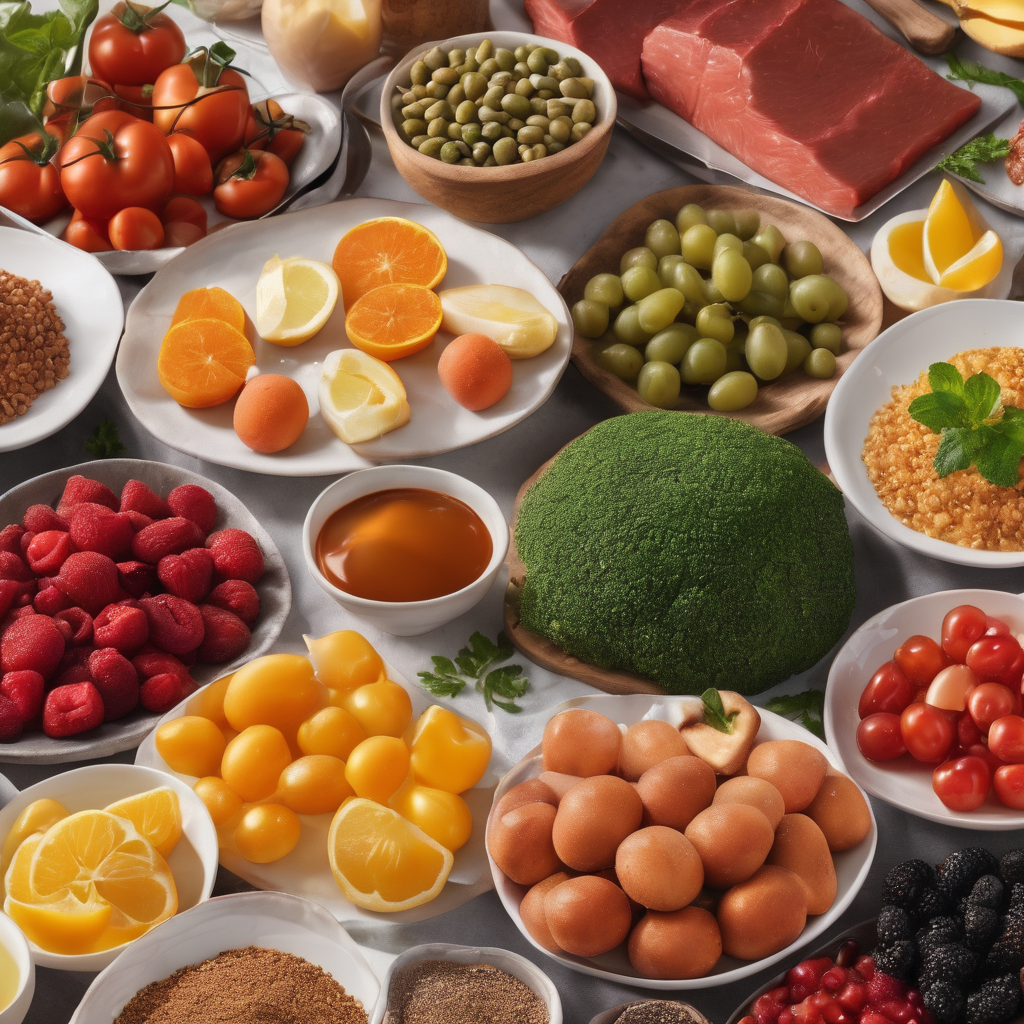
There are diverse iron-wealthy ingredients available in India that could help meet our everyday iron necessities. Some of the pinnacle iron-wealthy meals consist of:
1. Spinach: Spinach is an inexpensive leafy vegetable that is rich in iron. It may be protected in various dishes consisting of saag, palak paneer, or added to salads and smoothies.
2. Lentils and legumes: Lentils, together with masoor dal, toor dal, and moong dal, are remarkable sources of iron. Legumes like chickpeas, black-eyed peas, and kidney beans are also rich in iron and may be covered in curries, salads, or soups.
3. Red meat: Lean cuts of red meat, like pork and mutton, are high in iron. Including small quantities of these meats in our food regimen can help raise our iron intake.
4. Poultry: Chicken and turkey are good sources of iron, especially if eaten without the skin. Grilled or roasted chicken can be a healthful addition to our iron-rich meals.
5. Fish: Fish like sardines, mackerel, and tuna aren’t only rich in iron but also provide omega-3 fatty acids. Including fish in our food regimen two times per week can help boost our iron intake.
Incorporating iron-wealthy foods into your food:
By Prashant Chavhan
To incorporate iron-wealthy foods into our meals, we are able to:
1. Include quite a few iron-rich ingredients in our food plan to ensure a balanced consumption.
2. Cook ingredients in iron pots or pans, as this can boost the iron content of the meals.
Three. Combine iron-wealthy foods with foods high in diet C, which includes citrus fruits, tomatoes, or bell peppers. Vitamin C enhances iron absorption.
Four. Eat iron-wealthy meals along with ingredients high in folate, together with leafy vegetables and complete grains. Folate helps with the absorption of iron.
The advantages of consuming iron-rich foods:
Consuming iron-wealthy foods gives several blessings, which include:
1. Prevention of iron deficiency anemia.
2. Improved energy levels and reduced fatigue.
3. Enhanced cognitive function and awareness.
4. Optimal growth and improvement.
Tips for maximizing iron absorption:
To maximize iron absorption from our diet, we are able to:
1. Avoid eating tea or espresso with iron-rich meals, as they can inhibit iron absorption. Instead, select to consume those drinks with food.
2. Soaking, sprouting, or fermenting legumes and grains can boost iron absorption.
3. Avoid consuming calcium-rich foods or supplements at the equal time as iron-wealthy meals, as calcium can interfere with the absorption of iron.
Conclusion and key takeaways:
Including iron-rich ingredients in our weight loss program is essential for keeping most useful health, particularly in a country like India in where anemia is common. By incorporating meals like spinach, lentils, red meat, poultry, and fish into our diet, we can ensure an adequate consumption of iron. Additionally, following hints for maximizing iron absorption, together with consuming vitamin C-rich ingredients and keeping off tea or coffee with iron-wealthy meals, can in addition enhance the absorption of iron in our bodies. Prioritizing iron-rich ingredients will pass a long way in selling higher fitness and well-being for individuals in India.
Frequently Asked Questions
What is the full form of FSSAI?
FSSAI stands for Food Safety and Standards Authority of India. It is the apex food regulatory body under the Ministry of Health and Family Welfare, Government of India.
What is HACCP full form?
HACCP stands for Hazard Analysis and Critical Control Point. It is a systematic preventive approach to food safety that addresses physical, chemical, and biological hazards.
What is ISO 22000?
ISO 22000 is an international standard for food safety management systems. It specifies requirements for any organization in the food chain to ensure food safety.
Related Reading
Explore more articles on FoodTechPro:
- Best Protein powder for pregnant women: 9 safe and pocket-friendly choices
- Diet Chart For Polycystic Ovarian Disease (PCOD)
- Meal Replacement Shakes: The Ultimate Guide
FAQ
What is top “iron?
Top “Iron-Nutrient-Rich Soil” Foods from India for Your Body! refers to the process/technique/concept discussed in this article. It plays an important role in the food processing industry.
Why is top “iron manufacturing important in food processing?
Top “Iron-Nutrient-Rich Soil” Foods from India for Your Body! (manufacturing) is crucial in food processing because it directly impacts product quality, efficiency, and safety standards in the industry.
What are the main benefits of top “iron standard?
The key benefits include improved operational efficiency, better product quality, cost savings, and enhanced food safety compliance.
How does Top “Iron-Nutrient-Rich Soil” Foods from India for Your Body! work?
Top “Iron-Nutrient-Rich Soil” Foods from India for Your Body! works by applying established principles of food processing technology. The specific mechanism depends on the application and equipment used.
What equipment is needed for top “iron safety?
The equipment required depends on the scale of operation. Common setups include industrial-grade machinery designed for consistent performance and food safety compliance.
What are common challenges with top “iron manufacturing?
Common challenges include maintaining consistent quality, managing operational costs, ensuring regulatory compliance, and training staff properly.
How to choose the right top “iron standard solution?
Choosing the right solution depends on your production volume, budget, quality requirements, and regulatory standards. Consulting with industry experts is recommended.
References
- FSSAI Official Website – Food Safety and Standards Authority of India
- Food Safety and Standards Act, 2006 – FSS Act
- PubMed Central – National Library of Medicine
Iron Deficiency in India: Key Statistics
According to the National Family Health Survey (NFHS-5, 2019-2021), approximately 67% of children under 5 years and 57% of women of reproductive age in India suffer from anemia. The National Institute of Nutrition (NIN) reports that iron deficiency anemia affects nearly 50% of pregnant women in India, contributing to maternal mortality and low birth weight.
The recommended daily iron intake varies by group:
| Group | Daily Iron Requirement | Source |
|---|---|---|
| Adult men | 8 mg | WHO/FAO |
| Adult women (19-50) | 18 mg | WHO/FAO |
| Pregnant women | 27 mg | WHO/FAO |
| Children (4-8 yrs) | 10 mg | WHO/FAO |
| Adolescents (14-18) | 11-15 mg | NIN Guidelines |
Source: WHO/FAO Recommended Nutrient Intakes, National Institute of Nutrition (ICMR), NFHS-5
Iron Content of Indian Foods: Comparison Table
| Food (per 100g edible portion) | Iron (mg) | Type | Vitamin C (boosts absorption) |
|---|---|---|---|
| Garden Cress Seeds (Halim) | 100-120 | Non-heme | Low |
| Sesame Seeds (Til) | 14.8 | Non-heme | Low |
| Chicken Liver | 9.0 | Heme (highly absorbable) | Low |
| Horse Gram (Kulith) | 7.0 | Non-heme | Medium |
| Amaranth Leaves (Rajgira) | 5.5-8.9 | Non-heme | High |
| Drumstick (Moringa) Leaves | 4.0 | Non-heme | High |
| Jaggery (Gur) | 3.0-11.0 | Non-heme | Low |
| Spinach (Palak) | 2.7 | Non-heme | High |
| Beetroot | 0.8 | Non-heme | Medium |
| Pomegranate | 0.3 | Non-heme | Medium |
Source: Indian Food Composition Tables (IFCT 2017), National Institute of Nutrition, Hyderabad. Values are approximate and can vary based on soil conditions, variety, and preparation method.

Prashant Chavhan
Prashant Chavhan is a food technologist and industry consultant based in India, specializing in FSSAI compliance, food safety management systems (HACCP/ISO 22000), and food processing business setup. With years of hands-on experience in the Indian food industry, he founded FoodTechPro.co.in to bridge the gap between regulatory requirements and practical implementation for food entrepreneurs and professionals.